

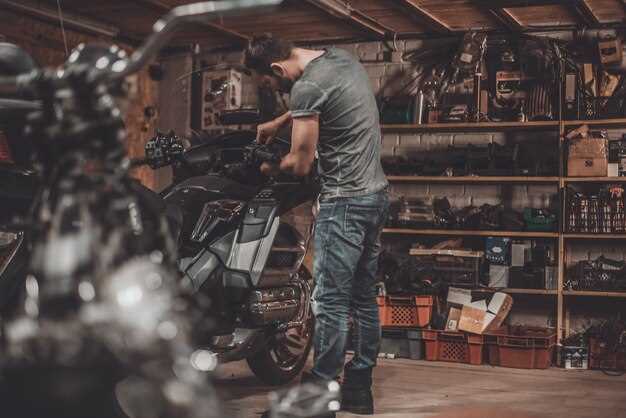
When the racing season comes to an end, it’s crucial to give your competition motorcycle the proper storage it needs. Proper storage not only protects your investment but also ensures that your bike is ready to perform at its best when the racing season kicks off again. Neglecting this essential maintenance can lead to unnecessary repairs and diminished performance.
During the off-season, your motorcycle should be treated with care and attention. This includes cleaning it thoroughly, changing fluids, and storing it in an ideal environment to prevent damage from humidity, temperature fluctuations, or pests. A well-executed storage plan will help maintain the integrity of your bike and ensure it’s in top shape for the next thrilling race.
In the following sections, we’ll explore the best practices for storing your competition motorcycle throughout the off-season. From choosing the right location to performing essential maintenance tasks, this guide will prepare you for a seamless transition from racing to hibernation and back again.
Preparing Your Race Bike for Long-Term Storage
Before placing your race bike into long-term storage, thorough preparation is essential to ensure its integrity and performance for the upcoming season. Start by cleaning the bike thoroughly. Remove any dirt, grime, and debris from both the exterior and the mechanical components to prevent corrosion and wear during storage.
Next, change the oil and filter. Old oil contains contaminants that can damage engine components over time. Fresh oil will lubricate the engine and provide a protective barrier against rust. After the oil change, run the engine for a few minutes to circulate the new oil throughout the system.
Fuel system maintenance is also crucial. Fill the gas tank to prevent moisture build-up, and add a fuel stabilizer. This prevents the gasoline from breaking down and clogging the fuel system. Run the engine for a few minutes to ensure the stabilizer reaches the entire fuel system.
Consider taking care of the battery separately. If possible, remove the battery and store it in a cool, dry place. Connect it to a trickle charger to maintain its charge. If you decide to leave it in the bike, ensure it is fully charged, as a discharged battery can lead to permanent damage.
Check the tire pressure and inflate the tires to the recommended level. If the bike will be stored for an extended period, place it on a stand to prevent flat spots from forming. Additionally, consider using tire savers or blocks under the tires for extra protection.
Lastly, cover your race bike with a breathable cover to shield it from dust and potential damage while allowing moisture to evaporate. Avoid using plastic covers, as they can trap moisture and lead to corrosion. By following these steps, you will ensure your race bike remains in optimal condition during the off-season, ready for action when the racing season resumes.
Choosing the Right Storage Environment for Optimal Preservation

Selecting the perfect environment for storage is crucial for maintaining your motorcycle’s condition during the off-season. The right setting not only protects your bike from physical damage but also prevents issues related to moisture, temperature fluctuations, and pests.
Firstly, consider the temperature of the storage area. Ideally, the environment should be cool and dry. Aim for a temperature range between 50°F and 70°F (10°C to 21°C). Extreme heat can lead to damage in engine components and fuel systems, while excessive cold may cause oil and other fluids to thicken, complicating start-up after storage.
Moreover, humidity levels play a significant role in preserving your bike. A relative humidity level between 30% and 50% is optimal. High humidity can encourage rust and corrosion on metal parts, while too low humidity can dry out rubber components, leading to cracks. Using a dehumidifier or desiccant packs can help maintain appropriate humidity levels.
Ventilation is another important factor. A well-ventilated area reduces the risk of mold and musty odors. However, ensure that the space is also secure and protected from drafts that could introduce dust and debris. Storing your bike in a garage or shed with adequate ventilation can provide a balance between safety and air circulation.
Lastly, consider the proximity to elements that could potentially cause harm. Avoid areas near windows or doors where direct sunlight can create hot spots, and steer clear of basements prone to flooding or garages with chemicals and solvents that may affect your motorcycle. Choosing the right storage environment is essential for optimal preservation and will ensure that your bike is ready to hit the road when the season returns.
Performing Maintenance Tasks Before Winter Storage
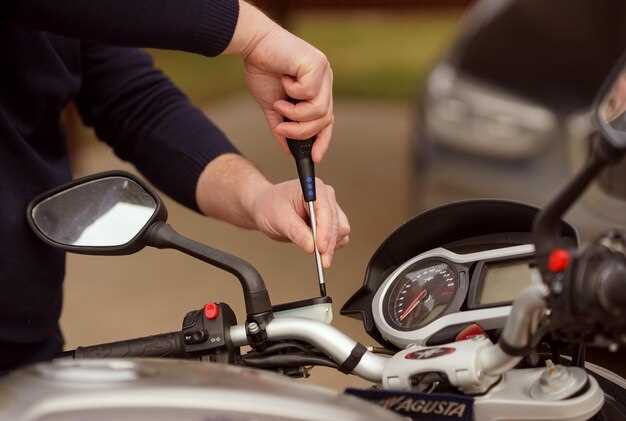
Before storing your motorcycle for the winter, it’s essential to perform several key maintenance tasks to ensure its longevity and performance when the riding season returns. Start by thoroughly cleaning your bike to remove dirt, grime, and any road salt that could cause corrosion during storage. Use a mild detergent and ensure that all surfaces, including the undercarriage, are spotless.
Next, change the engine oil and replace the oil filter. Old oil contains contaminants that can damage the engine over time. Fresh oil will keep internal components lubricated and prevent corrosion while your bike is in storage.
Inspect and top off all fluids, including coolant, brake fluid, and hydraulic fluid. This will help maintain system integrity and prevent moisture from accumulating. Bleed the brakes if necessary to ensure optimal performance when you take your bike out of storage.
Pay close attention to the battery, as cold temperatures can diminish its lifespan. Charge the battery fully and consider using a battery maintainer or trickle charger to keep it in good condition. If you are removing the battery, store it in a warm area, away from extreme temperatures.
Check the tires for proper inflation and inspect for any signs of wear or damage. Inflate the tires to the manufacturer’s recommended pressure and consider using a tire crayon to prevent flat spots during long-term storage. If possible, elevate the bike on a stand to relieve pressure on the tires.
Lastly, cover your bike with a breathable, protective cover to shield it from dust and moisture while in storage. Ensure the cover is well-ventilated to prevent mildew and allow the bike to “breathe.” Completing these maintenance tasks before winter storage will help keep your motorcycle in optimal condition, ready for a smooth and enjoyable ride when the season returns.