

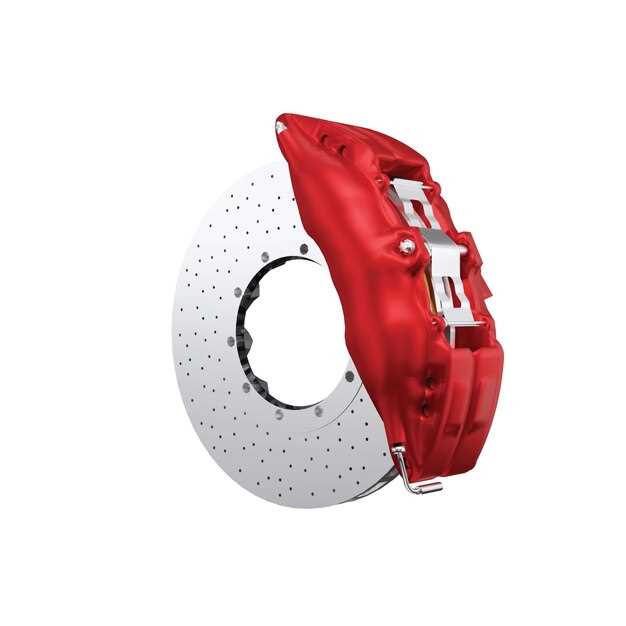
In the world of racing, the performance of your vehicle heavily relies on the effectiveness of its braking system. Brake pads play a crucial role in ensuring that your car can stop quickly and safely, particularly under extreme conditions. The question of how often to replace racing brake pads is not just a matter of maintenance; it’s a key aspect of ensuring optimal safety on the track.
As brake pads wear down due to the intense friction and heat generated during high-speed racing, their ability to grip the brake rotors diminishes. This reduction in performance can lead to dangerously long stopping distances, potentially resulting in accidents. Therefore, understanding the signs of wear and establishing a regular replacement schedule is essential for any serious racer.
Many factors can influence the lifespan of racing brake pads, including driving style, track conditions, and the specific type of pads used. Regular inspection and monitoring of brake pad thickness should be integrated into your pre-race routine. By prioritizing brake pad maintenance and timely replacement, you not only enhance your vehicle’s performance but also significantly increase your safety on the track.
Signs That Indicate It’s Time for New Racing Brake Pads
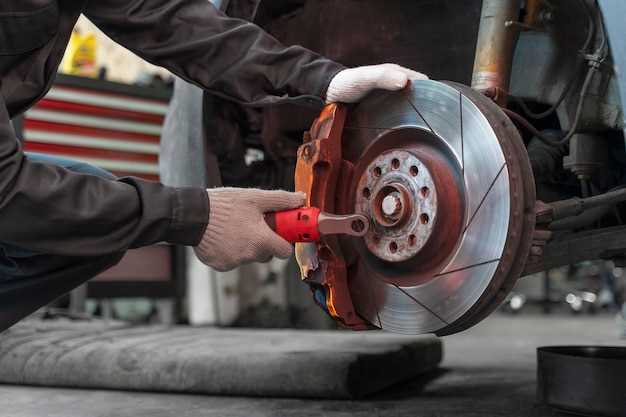
Recognizing when to replace racing brake pads is crucial for maintaining optimal safety and performance during racing events. Here are key indicators that it’s time for a replacement:
- Thin Remaining Material: Most racing brake pads have a built-in wear indicator that becomes visible when the pads are excessively worn. If the material is less than 3 mm thick, it’s time for replacement.
- Squeaking or Squealing Noises: If you hear a high-pitched screeching sound when applying brakes, this often indicates that the pads have worn down and need immediate replacement to avoid damaging the rotors.
- Increased Stopping Distance: If you notice that your racing vehicle requires more distance to come to a complete stop, it’s a strong sign that the brake pads have lost their effectiveness and should be replaced.
- Brake Fade: Experiencing a decrease in braking performance during heavy use, especially on long tracks, indicates that the pads may be overheating and need replacement.
- Vibration or Pulsating Brake Pedal: Feeling vibrations in the brake pedal can signal uneven wear or warping of the pads, necessitating a thorough inspection and potential replacement.
Regularly checking and promptly replacing racing brake pads ensures not only safety but also enhances the overall racing experience. Perform routine inspections to catch these signs early.
Factors Affecting the Lifespan of Racing Brake Pads
The lifespan of racing brake pads is influenced by several critical factors that determine their effectiveness and longevity. Understanding these elements is essential for ensuring optimal safety and performance on the track.
One significant factor is the type of material used in the brake pads. Racing pads are typically made from composite materials, ceramics, or semi-metallic compounds, each offering varying levels of friction, wear resistance, and heat dissipation. Higher-performance materials generally provide better braking power but may wear out more quickly under extreme conditions.
Another important aspect is the driving style and conditions. Aggressive driving habits, such as hard braking and frequent cornering, can lead to accelerated wear. Additionally, track conditions–including surface grip and temperature–also play a role in pad degradation. Wet or abrasive surfaces can increase friction, leading to faster replacement needs.
Temperature management is also crucial. Racing brake pads operate effectively within specific temperature ranges. Excessive heat can cause fading, reducing braking efficiency and accelerating pad wear. Maintaining optimal temperatures through proper brake cooling systems can enhance pad lifespan.
The weight of the vehicle and brake system setup can also impact the lifespan of racing brake pads. Heavier vehicles or those with larger brake components may require more substantial braking force, ultimately leading to faster wear. Proper balance and vehicle setup can mitigate this effect.
Lastly, regular inspection and maintenance are vital for maximizing the durability of racing brake pads. Monitoring wear levels and replacing pads before they reach critical wear can prevent potential failures and ensure safety during racing. Engaging in routine maintenance practices can substantially extend the life of the pads and optimize overall performance.
Best Practices for Racing Brake Pad Maintenance and Replacement
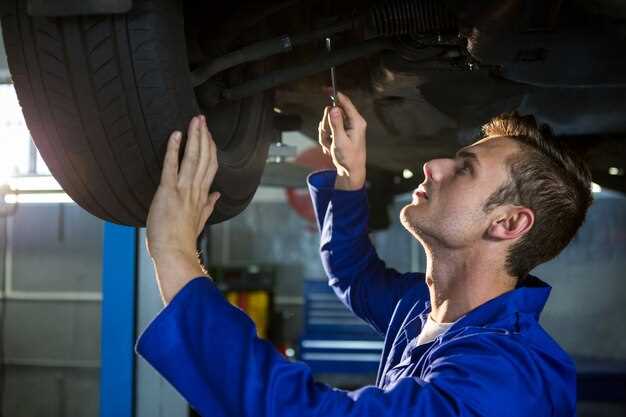
To ensure optimal performance and safety in racing, regular maintenance and timely replacement of brake pads are essential. Proper care extends the life of the pads and enhances braking efficiency, which is crucial in high-stress environments.
1. Regular Inspection: Frequently inspect your brake pads for wear. Look for signs of damage, uneven wear, or excessive thinning. Pads should be replaced when the material is worn down to the manufacturer’s minimum thickness specification.
2. Monitor Heat Levels: Brake pads undergo significant heat during racing, which can affect their performance. Use temperature gauges to monitor brake temperatures, as overheating can lead to pad degradation, reducing effectiveness and leading to potential failure.
3. Clean Brake Components: Ensure that brake components, including pads, calipers, and rotors, are clean. Debris and dust can lead to uneven wear and reduced braking power. Use appropriate cleaning agents to maintain these components without damaging them.
4. Use Quality Products: Invest in high-performance brake pads designed for racing applications. The choice of material impacts performance, heat resistance, and longevity. Research and select pads that match your specific racing conditions and vehicle requirements.
5. Break-In Procedures: After installing new brake pads, follow a proper break-in procedure, often referred to as bedding. This process helps the pads settle correctly against the rotors, improving initial bite and extending overall pad life.
6. Check Pad Clips and Shims: Replace worn or damaged pad clips and shims as they play a critical role in preventing vibrations and noise. These components ensure that the pads remain securely in position during aggressive braking.
7. Maintain Consistent Brake System Checks: Regularly assess the entire braking system. This includes checking fluid levels, brake lines, and caliper conditions. A well-maintained system supports the effectiveness of your brake pads.
By adhering to these best practices, racers can maintain optimal brake pad performance, ensure safety, and achieve consistent results on the track.