

When it comes to transporting race bikes, the right trailer can make all the difference. Whether you are a professional racer heading to a competition or an enthusiast going to a weekend track, having a reliable trailer ensures your prized machines arrive safely and securely. This guide will help you navigate the essential features to consider when purchasing a trailer specifically designed for race bikes.
First and foremost, it is crucial to assess the size and capacity of the trailer. Consider the number of bikes you often transport and their dimensions. Different models offer varying capacities, and ensuring that your trailer accommodates your needs will save you from potential issues down the line. Additionally, look for designs that provide ample space for gear, tools, and other equipment you may need on race day.
Another key factor to consider is the trailer‘s build quality and materials. Opt for a sturdy construction that can withstand the rigors of travel and offer stability while on the road. Aluminum and steel are popular materials due to their durability and resistance to wear and tear. Ultimately, investing in a high-quality trailer will protect your valuable race bikes and enhance your overall experience during transport.
Choosing the Right Trailer Size for Your Race Bikes

When selecting a trailer to transport your race bikes, size is a crucial factor that can significantly impact convenience and safety. The right dimensions will ensure your bikes remain secure during transit, while also providing enough space for any additional gear you may need.
Assessing Your Needs
Begin by considering the number of bikes you plan to transport. Most trailers designed for race bikes usually accommodate one to four bikes. Ensure you understand the overall length and width of your bike, including any added accessories like fairings or customizations. This will help you select a trailer that offers not just space for the bikes themselves but also adequate room for securing them properly.
Types of Trailers
There are various types of trailers available, including open trailers and enclosed options. Open trailers might provide easier loading and unloading, while enclosed trailers offer protection from the elements and increased security. For enclosed models, ensure the internal dimensions allow for sufficient vertical clearance to avoid any damage to handlebars or attachments.
Weight Capacity
Don’t overlook the weight capacity of the trailer. Calculate the combined weight of your bikes along with all equipment you intend to transport. Selecting a trailer with a weight rating higher than your total load is essential to maintain balance during transport and prevent damage to both the bikes and the towing vehicle.
Future Expansion
If you plan on expanding your collection of race bikes or want to carry extra gear in the future, consider choosing a larger trailer size than your current needs. This foresight can save you from having to purchase a new trailer as your requirements grow. Additionally, some trailers offer adjustable configurations, allowing for flexible use as your biking needs change over time.
Conclusion
Choosing the right trailer size for transporting race bikes involves evaluating your current and future needs, understanding the available types, and ensuring you adhere to weight limits. Prioritizing these factors will lead to a more efficient and secure transportation experience for your valuable bikes.
Key Features to Look For in a Race Bike Trailer
When selecting a race bike trailer, several key features are essential to ensure safe and efficient transport. First, consider the trailer’s construction material. High-quality aluminum or steel frames provide durability while keeping the weight manageable. A lightweight trailer is easier to tow, yet robust enough to withstand frequent use.
Another critical aspect is the trailer’s capacity. Ensure it can accommodate the number of bikes you intend to transport, along with any additional gear. Look for adjustable wheel chocks or tie-down points to secure each bike properly, preventing movement during transit.
Check the suspension system of the trailer; a well-designed suspension helps absorb road shocks, protecting your bikes from potential damage while on the road. Additionally, features such as an enclosed design can provide extra security and protection from the elements.
Loading and unloading ease is a vital consideration; trailers that offer a ramp or low deck height simplify the process. Consider the weight distribution and balance of the trailer as well; a well-balanced trailer is safer to tow and more comfortable on the road.
Lastly, examine the trailer’s compatibility with your towing vehicle. Ensure that the hitch system is appropriate and that the trailer matches the towing capacity of your vehicle. Choosing a trailer with brake systems or reflectors can enhance safety during transport, particularly with heavier loads.
Safety Considerations When Transporting Race Bikes
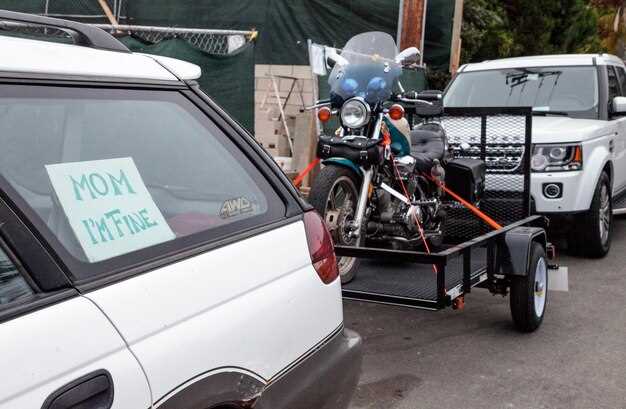
When transporting race bikes, safety should always be a top priority to ensure that both the bikes and the trailer remain in excellent condition during transit. Here are several key considerations to keep in mind:
1. Securely Fasten the Bikes: Properly securing your race bikes within the trailer is crucial. Utilize high-quality tie-down straps or wheel chocks to prevent any movement while on the road. Ensure that the bikes are stable and that there is no risk of them tipping over or colliding with each other.
2. Check Weight Distribution: When loading bikes into the trailer, maintain balanced weight distribution. Position heavier bikes or gear towards the front or center of the trailer to avoid instability while driving. This practice not only ensures safer handling but also reduces the risk of swaying and jackknifing.
3. Inspect the Trailer: Before every trip, inspect the trailer for any signs of wear or damage. Check the tires for proper inflation, brakes for functionality, and lights for proper operation. A well-maintained trailer promotes safe transport of your race bikes.
4. Use a Reliable Tie-Down System: Invest in a reliable tie-down system designed specifically for transporting bikes. Ratchet straps with padded protection can help prevent scratches and damage while ensuring that the bikes remain securely placed.
5. Monitor Load Limits: Be aware of the trailer’s load limit and ensure that you do not exceed it. Overloading can lead to poor handling and increased risk of accidents. Familiarize yourself with the maximum weight limits specified by the trailer manufacturer.
6. Drive Responsibly: Drive with caution, especially when turning or braking. Sudden maneuvers can cause the trailer to sway or jackknife, which can jeopardize the safety of both the rifles and other vehicles on the road. Always adhere to speed limits and allow for greater stopping distances.
7. Use Appropriate Safety Gear: Always utilize safety gear such as reflective vests and warning safety triangles if you need to stop on the roadside for any reason. This is especially important when dealing with trailers loaded with valuable race bikes.
By following these safety considerations, you can ensure a smooth and secure transport experience for your prized race bikes while minimizing the risk of damage and accidents during your travels.