

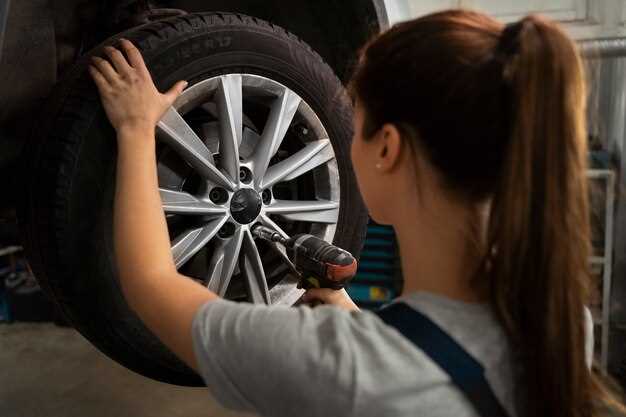
Achieving peak performance on the track requires attention to numerous factors, one of the most critical being tire pressure. Correct tire pressure is not merely a technical detail; it directly influences traction, handling, and overall vehicle dynamics. Understanding how to set and adjust tire pressure based on conditions and vehicle specifications is essential for any serious racer.
When tires are inflated to the appropriate pressure, they maintain optimal contact with the track surface. This not only enhances grip but also promotes more consistent lap times. Conversely, incorrect tire pressure, whether too high or too low, can lead to decreased performance and accelerated tire wear, drastically affecting race outcomes. Therefore, mastering the intricacies of tire pressure management is crucial for those looking to maximize their competitive edge.
Each track presents unique challenges, and tire pressure settings should be optimized accordingly. Elements such as track temperature, surface composition, and vehicle load all play significant roles in determining the ideal tire pressure. By fine-tuning these settings, drivers can unlock their vehicle’s full potential, ensuring both safety and enhanced performance on the asphalt.
Understanding the Impact of Tire Pressure on Grip and Handling
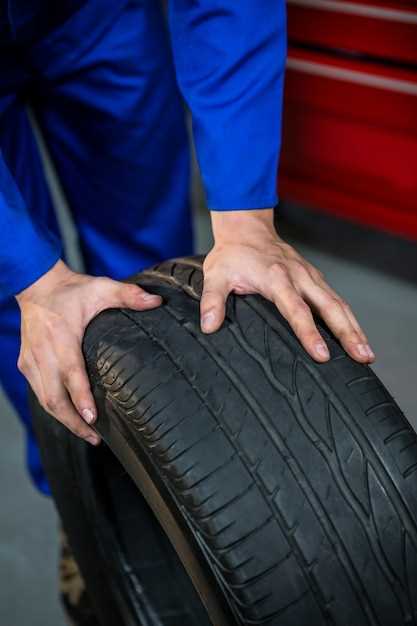
Tire pressure is a crucial factor influencing the performance of a vehicle on the track. Properly inflated tires ensure optimal tire-to-road contact, which directly affects grip. When tire pressure is too low, the contact patch increases, leading to excessive flexing of the sidewalls and reduced responsiveness. This can result in diminished traction, especially during high-speed cornering where grip is essential.
Conversely, over-inflated tires can decrease the contact area, causing the tire to wear unevenly and reducing the overall grip. In this state, the tire may struggle to maintain traction on the track, especially in challenging conditions such as curves or sudden maneuvers. It’s essential to strike a balance; optimal tire pressure enhances handling characteristics and provides drivers with a more predictable and controlled experience.
Moreover, different types of racing conditions may require adjustments in tire pressure. For example, a wet track may benefit from slightly lower pressures to increase the contact patch, while a dry, hot track may necessitate higher pressures to avoid overheating and maintain stability. Understanding the relationship between tire pressure, grip, and handling is vital for maximizing performance and achieving faster lap times.
Ultimately, regular monitoring and adjustment of tire pressure based on track conditions and driving style can significantly enhance a vehicle’s overall performance. By fine-tuning this aspect, drivers can achieve better acceleration, cornering, and braking, allowing them to push their limits on the track.
How to Adjust Tire Pressure Based on Track Conditions
Adjusting tire pressure is crucial for optimizing performance on different track conditions. The ideal pressure can vary significantly based on whether the track is wet, dry, or has varying surface types.
Dry Track: On a dry surface, lower tire pressure can enhance grip and improve cornering performance. A typical range is between 28-32 psi, but it is essential to consult the vehicle’s specifications. Lowering the pressure increases the tire’s contact patch, allowing for better traction.
Wet Track: For wet conditions, increasing tire pressure to around 32-35 psi can help prevent hydroplaning. A higher pressure reduces the contact patch, which can help channel water away and maintain stability. Always ensure adequate tread depth for optimal performance in these conditions.
Mixed Conditions: When the track has both wet and dry patches, a moderate pressure (around 30-33 psi) is advisable. This adjustment allows for adaptability while ensuring that the vehicle maintains reasonable grip across varying surfaces.
High-Temperature Conditions: On hot days, tires can heat up quickly, leading to an increase in pressure. Starting with a lower initial pressure, around 28 psi, allows for expansion during the race. Keep track of temperature readings to make necessary adjustments throughout the event.
Low-Temperature Conditions: In colder weather, higher initial pressures (up to 35 psi) can be beneficial. This prevents the tires from dropping to lower pressure as they heat up, which is crucial for maintaining performance and responsiveness.
Always monitor tire performance through tire wear patterns and temperature. This data can help fine-tune pressure adjustments for future track events and enhance overall performance. Regularly checking and adjusting tire pressure based on track conditions can lead to substantial improvements in handling, stability, and lap times.
Monitoring Tire Temperature for Precision Pressure Settings
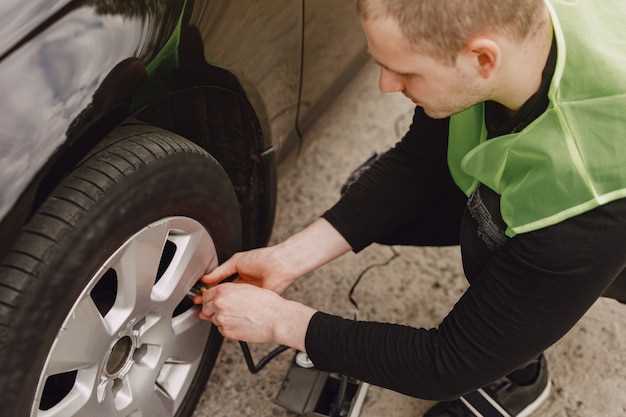
To achieve optimal track performance, monitoring tire temperature is essential for precise pressure adjustments. Tire temperature directly affects the rubber’s grip, wear characteristics, and overall performance on the track. Understanding how heat impacts tire functionality enables drivers to make informed decisions regarding pressure settings.
Regular monitoring of tire temperature involves several techniques that help ensure the best performance and longevity of the tires:
- Infrared Thermometers: These tools provide quick and accurate readings of tire surface temperatures. By measuring temperatures at various points around the tire, drivers can identify uneven wear and adjust pressures accordingly.
- Tire Pyrometers: More advanced than infrared thermometers, tire pyrometers can measure temperatures deeper within the tire structure. This data is particularly useful for setting pressures before the track session begins.
- Trackside Data Acquisition Systems: Integrated systems can log tire temperatures in real-time during a session, allowing drivers to make instant adjustments based on performance feedback.
When analyzing tire temperatures, focus on the following critical areas:
- Center Temperature: A significantly higher center temperature may indicate over-inflation, leading to reduced contact area and grip.
- Shoulder Temperature: Higher temperatures at the shoulders typically suggest under-inflation, which can result in excessive wear and diminished handling capabilities.
- Side Temperature Variations: Noticing discrepancies in temperature between the inner and outer edges can help identify misalignment issues that affect tire performance.
After collecting temperature data, adjustments to tire pressure can be made. Consider the following guidelines:
- Decrease tire pressure to address high center temperatures.
- Increase tire pressure if shoulder temperatures are consistently high.
- Aim for a balanced temperature across the tire to optimize contact and grip.
In conclusion, effective monitoring of tire temperature is vital for achieving precise pressure settings, which in turn enhances track performance. By utilizing the right tools and techniques, drivers can maintain optimal tire conditions, ensuring both speed and safety on the track.